وزارة الثقافة اللبنانية والسفارة الأميركية تحتفلان بمشروع ترميم قلعة المسيلحة
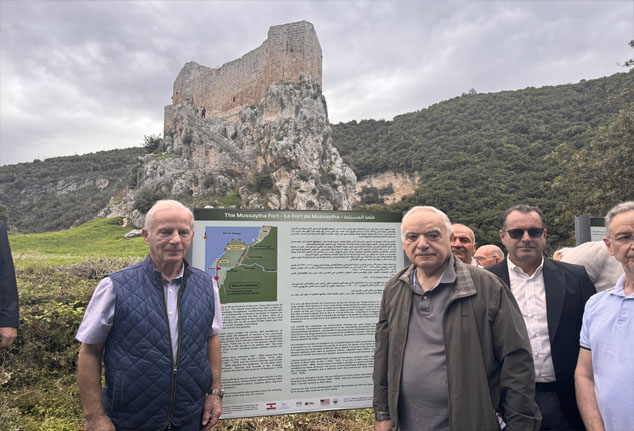
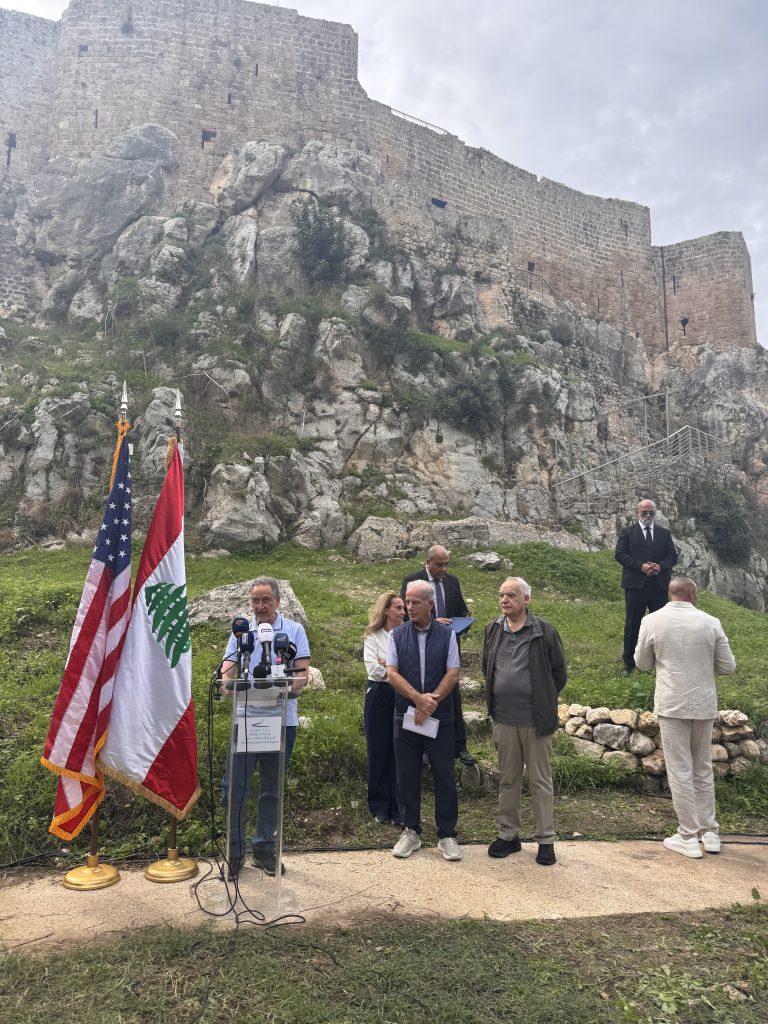
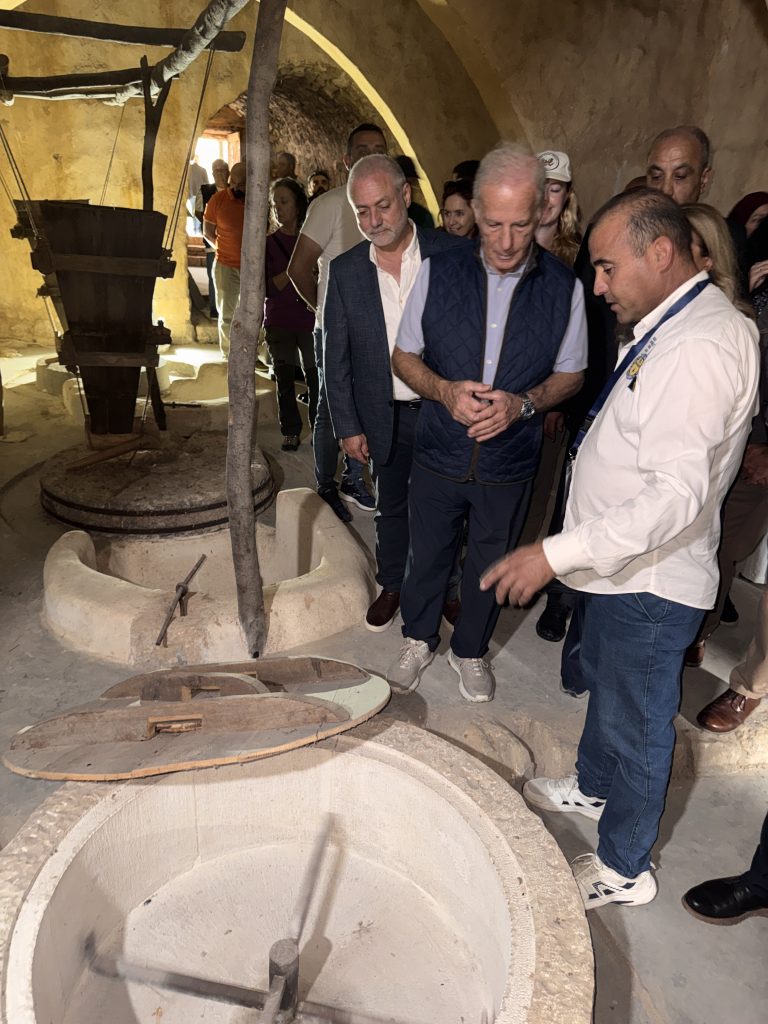
العرب نيوز ( بيروت – لبنان ) بحضور وزير الثقافة الدكتور غسان سلامة، والسفير الأميركي في بيروت ميشال عيسى، وحشد من المسؤولين المحليين والمعنيين بالتراث الثقافي، احتفلت وزارة الثقافة اللبنانية والسفارة الأميركية في بيروت بإنجاز أعمال الحفاظ على موقع قلعة المسيلحة الأثري وترميمه. وقد نُفّذ المشروع على مدى أربع سنوات، بتمويل قدره 210 آلاف دولار أميركي، مقدّم من صندوق السفراء الأميركيين للحفاظ على التراث الثقافي. وشملت الأعمال ترميم قلعة المسيلحة التاريخية وتدعيمها، والحفاظ على طابعها المعماري، وتحسين الطريق المؤدي إلى الموقع، فضلاً عن صون التقاليد المحلية، بما في ذلك إعادة تشغيل الطاحونة التاريخية في القلعة، وإنشاء خزان مياه طبيعي، وتنظيم ورش عمل لتدريب المزارعين المحليين على أفضل الأدوات والممارسات الزراعية الصديقة للبيئة. يتوفر على موقع يوتيوب فيلم وثائقي عن المشروع بعنوان “قلعة المسيلحة عبر التاريخ”.
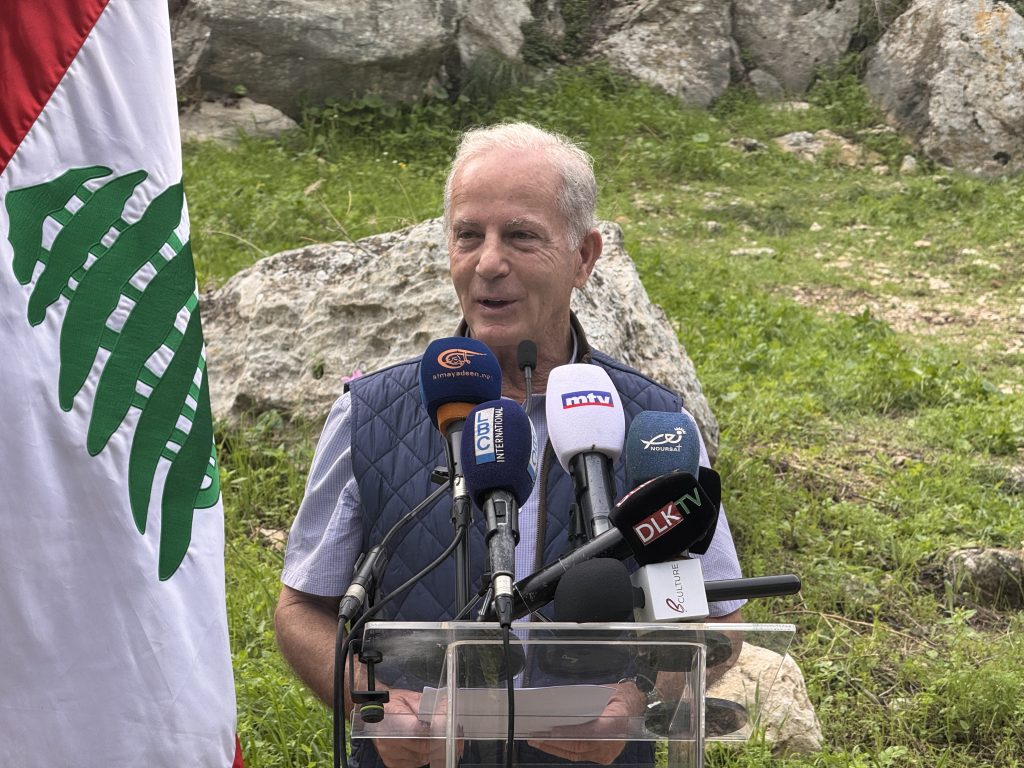
وخلال الاحتفال، قال وزير الثقافة الدكتور غسان سلامة: «إن صون التراث الثقافي يحمي ذاكرة المكان وهويته، ويفتح في الوقت نفسه آفاقًا لمستقبله. وقد جمع مشروع المسيلحة بين هذين الهدفين، فإلى جانب صون القلعة، أعاد تشغيل طاحونة القلعة، وأحيا زراعة المحاصيل التقليدية، ودعم المزارعين المحليين في اعتماد ممارسات مستدامة. وأشكر صندوق السفراء الأميركيين للحفاظ على التراث الثقافي، والمديرية العامة للآثار، وجذور لبنان، وبلدية حامات، وأبناء المنطقة على إنجاز هذا العمل”.
وقال السفير عيسى في كلمته “يعكس مشروع المسيلحة قوة العلاقات الأميركية اللبنانية وعمقها، وأكثر من مئتي عام من الصداقة بين البلدين. تلتزم الولايات المتحدة بدعم سيادة لبنان وأمنه ومستقبله الاقتصادي، لكننا نؤمن أيضاً بأن التراث الثقافي للبنان يشكّل جزءاً أساسياً من هويته. إن الحفاظ على هذا التراث يعني حماية تاريخ لبنان للأجيال القادمة.”
كما أعلن السفير عيسى أن الحكومة الأميركية ستخصص، اعتباراً من هذا العام، مبلغ 36,827 4 دولاراً أميركياً للحفاظ على موقع أثري يعود إلى العصر الروماني في بلدة شحيم، وإحياء تقاليدها العريقة في إنتاج زيت الزيتون الممتدة منذ قرون. وستتعاون السفارة في تنفيذ المشروع الجديد مع وزارة الثقافة ومؤسسة بيت البركة.
يُعدّ صندوق السفراء الأميركيين للحفاظ على التراث الثقافي، المعروف اختصاراً بـ AFCP، من أبرز المبادرات الثقافية التي تنفذها الحكومة الأميركية في الخارج. وعلى مدى السنوات الخمس والعشرين الماضية، تعاونت الولايات المتحدة مع لبنان لدعم 25 مشروعاً في إطار هذا الصندوق، بلغت قيمتها الإجمالية أكثر من مليوني دولار أميركي، بهدف حماية المواقع الأثرية في مختلف أنحاء البلاد وصون التراث الإنساني المشترك الذي يشكّل جزءاً من هوية المنطقة، من قصر بيت الدين إلى محبسة مار بيشاي في وادي قاديشا، وصولاً إلى قلعة صيدا البحرية.
صندوق السفراء الأميركيين للحفاظ على التراث الثقافي: أنشأ الكونغرس الأميركي صندوق السفراء للحفاظ على التراث الثقافي في العام 2001، بهدف الحفاظ على طيف واسع من أشكال التراث الثقافي، بما في ذلك المباني التاريخية، والمواقع الأثرية، والمقتنيات الإثنوغرافية، واللوحات، والمخطوطات، واللغات الأصلية، وغيرها من أشكال التعبير الثقافي التقليدي. ويمكن لمشاريع الصندوق أن تسهم في التعافي من الكوارث والنزاعات، وخلق فرص اقتصادية، وتعزيز التفاهم المتبادل. وعادةً ما تُنفَّذ هذه المشاريع بالتعاون مع شركاء محليين من ذوي الخبرة، مع التشجيع على استخدام المواد والأساليب التقليدية. يجسّد برنامج الصندوق القيم الأميركية ويعكس حرص الولايات المتحدة على تعزيز علاقات الصداقة مع شعوب العالم. ومنذ تأسيسه عام 2001، موّلت الولايات المتحدة، في إطار هذا البرنامج، أكثر من 1,250 مشروعاً للحفاظ على التراث الثقافي في 130 دولة.
#العرب_نيوز ” أخبار العرب كل العرب “
Ministry of Culture and U.S. Embassy Celebrate Mussaylha Fort Project
Arab News( Beirut,- Lebonan ) October 16, 2026 – In the presence of Minister of Culture Dr. Ghassan Salamé, U.S. Ambassador to Beirut Michel Issa, and a gathering of local officials and cultural heritage leaders, the Lebanese Ministry of Culture and U.S. Embassy Beirut celebrated the completion of the preservation and restoration work at the Mussaylha Archaeological Site. The four-year project was made possible through a grant of $210,000 from the U.S. Ambassadors Fund for Cultural Preservation (AFCP). The project restored and reinforced the historic Mussaylha Fort, preserved its architectural character, and improved the road to the site as well as safeguarded local traditions, including restoring the operation of the Fort’s historic mill and providing a natural water reservoir and workshops dedicated to training local farmers on the best and most environmentally friendly agricultural tools and practices. A documentary of the project titled “Mussaylha Fort Through History” is available on YouTube .
During the celebration, Minister of Culture Dr. Ghassan Salamé stated: “Preserving cultural heritage protects the memory and identity of a place while creating opportunities for its future. The Mussaylha project brings these aims together: alongside conserving the fort, it reactivated its historic mill, revived traditional crops, and supported local farmers in adopting sustainable practices. I thank the U.S. Ambassadors Fund for Cultural Preservation, the Directorate General of Antiquities, Jouzour Loubnan, the Municipality of Hamat, and the local community for making this work possible.”
In his remarks, Ambassador Issa stated “The Mussaylha project reflects the strength and depth of U.S.-Lebanon ties and over two hundred years of friendship. The United States is committed to supporting Lebanon’s sovereignty, security, and economic future. But we also believe that Lebanon’s cultural heritage is an important part of its identity. Preserving that heritage means protecting Lebanon’s history for future generations.”
Ambassador Issa also announced that starting this year the U.S. Government will invest $436,827 USD to preserve a Roman-era archaeological site in Chim and revive its centuries-old olive oil tradition. The Embassy will partner with the Ministry of Culture and Beit el Baraka on the new project.
The Ambassadors Fund for Cultural Preservation, known as AFCP, is among the U.S. Government’s most significant cultural initiatives abroad. Over the past 25 years, the United States has partnered with Lebanon to support 25 AFCP projects totaling over USD $2 million to protect archaeological sites across the country and preserve the shared human heritage that defines the region’s identity, from the Beiteddine Palace to the Mar Bichay Hermitage in Qadisha Valley to the Saida Sea Castle.
Ambassadors Fund for Cultural Preservation: The U.S. Congress established the Ambassadors Fund for Cultural Preservation in 2001 to preserve a wide range of cultural heritage, including historic buildings, archaeological sites, ethnographic objects, paintings, manuscripts, and indigenous languages and other forms of traditional cultural expression. AFCP projects may support post-disaster and post-conflict recovery, create economic opportunities, and build mutual understanding. AFCP projects typically involve expert local partners and promote the use of traditional materials and methods. The AFCP program reflects American values and demonstrates U.S. friendship. Since its establishment in 2001, the United States has supported over 1,250 AFCP preservation projects in 130 countries.